- our services -

our

services

what

we do

FORMAL EDUCATION

PROGRAM OBJECTIVES
Increase enrolment and retention of school going population (aged between 5-18 years) with emphasis on gender equity and inclusiveness; while address socio-cultural barriers that hinder the enrolment of girls and children with special needs through community mobilization and Page 8 of 15 sensitization, and by combating violence in the school place. Facilitate the integration HIV prevention education for teachers, youth and children into education; Improve teacher competence through in-service training, mentoring and provision of basic incentives. Provide psychosocial training to teachers in IDP sites and other emergency affected areas and psychosocial outreach to children through child-friendly spaces and integrate life-skills based approaches to HIV. Facilitate the availability of adequate and relevant basic education materials, kits and supplies.
CHILD PROTECDTION

PROGRAM OBJECTIVES
Increase enrolment and retention of school going population (aged between 5-18 years) with emphasis on gender equity and inclusiveness; while address socio-cultural barriers that hinder the enrolment of girls and children with special needs through community mobilization and Page 8 of 15 sensitization, and by combating violence in the school place. Facilitate the integration HIV prevention education for teachers, youth and children into education; Improve teacher competence through in-service training, mentoring and provision of basic incentives. Provide psychosocial training to teachers in IDP sites and other emergency affected areas and psychosocial outreach to children through child-friendly spaces and integrate life-skills based approaches to HIV. Facilitate the availability of adequate and relevant basic education materials, kits and supplies.
YOUTH WOMEN AND GIRLS’ CAPACITY DEVELOPMENT PROGRAMS

PROGRAM OBJECTIVE

To stimulate community development and transformation, by offering the youth, women and girls in the target area access to vital information and other basic educational activities that will raise their awareness about urgent development issues; and strengthen their participation and decision- making within the society on matters affecting their own lives. Page 9 of 15 SPECIFIC OBJECTIVES o Establishment of centres to help target youth groups, women and girl’s public and communitybased organizations access affordable information technology services. o Provide training facilities, and assist establish youth forums, to enable them meet regularly, discuss, exchange and share ideas, learn about themselves and others. Understand their own problems, and identify their needs in relation to their existing social, political, cultural and religious structures, and take actions to direct and control their own future destiny. o Discourage the youth from becoming members of armed militias, and organizations, with negative ideologies, by providing them with skills for alternative source income generation including as; computer skills, entrepreneurship skills, enhancement of English language speaking ability, management skills for youth organizations, leadership skills and learning of non-violent ways of living and resolving conflicts, through training, and appropriate reading materials.

Encourage and assist the youth for equal opportunities to express their views, fully participate in development activities, and grow up with good human behaviors that can suit modern societies, on their own terms, through

 establishment of youth debate clubs, production of youth newsletter, magazines, entertainment facilities, and become updated by accessing appropriate information. o Enhance the target youths’ knowledge and literacy levels by providing access to educational information and appropriate reading materials through well-equipped library services, reading clubs and audio-cassette listening forums etc. o Enhance the academic English language performance of students at primary, secondary and tertiary institutions through access to reading materials, participation of inter-school debate clubs and reading clubs. o Strengthen and enhance the capacities and performance of community- based youth organizations through accessibility to modern development books and materials, and training programs

PRIMARY HEALTH CARE PROGRAM

OBJECTIVE

Early childhood nutrition Preventing malnutrition in infants and young children. Children need the right foods at the right time to grow and develop to their full potential.
The most critical time for good nutrition is during the 1,000-day period from pregnancy until a child’s second birthday. In the first two years of life, breastfeeding saves lives, shields children from disease,
brain development and guarantees children a safe and nutritious food source. infants begin breastfeeding within one hour of birth,
be exclusively breastfed for the first six months, and continue breastfeeding until 2 years of age or beyond. At the age of 6 months, children need to begin eating their first foods.
Young children should be fed frequently and in adequate quantities throughout the day,
and their meals must be nutrient-dense and comprised of a variety of food groups.
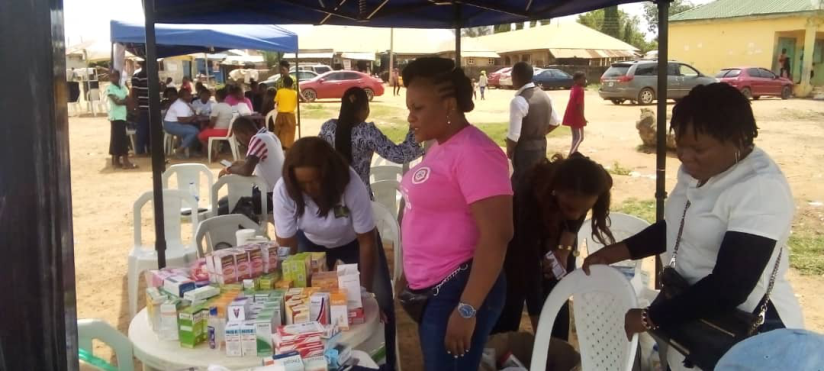
Caregivers should prepare and feed meals with clean hands and dishes, and interact with their child to respond to his or her hunger signals Improve availability of and access to health care services for IDPs and host communities, with a special focus on vulnerable groups such as women and children, through mobile clinics or strengthening of existing services, as well as through the promotion of health-seeking behavior. o Improve quality of health care and treatment, including HIV/AIDS, with special focus on health infrastructure (physical equipment and supplies, including drugs for HIV/AIDS treatment, post exposure prophylaxis [PEP] kits, etc.) and human resource capacity. o Improve health information management system to ensure availability of reliable data on the health status of the population, 

including on HIV/AIDS. o Ensure availability of health education material on prevention of targeted diseases (malaria, TB, AWD, HIV/AIDS).

NUTRITION PROGRAM

The overall objectives are to lower the incidence of malnutrition, avert excess mortality due to malnutrition and promote better nutritional status among populations in the affected areas. Adequate nutrition is necessary for normal brain development in infants and growing toddlers.
This is crucial because it is required for the formation of the brain, hence laying the foundation for the development of cognitive and socio-emotional skills throughout childhood and life.

-WOCHIDAR-

share with friends

Welcome to Women &

Child Disaster Rescue Initiative br (WOCHIDAR)